Deep Transcranial Magnetic Stimulation (dTMS)
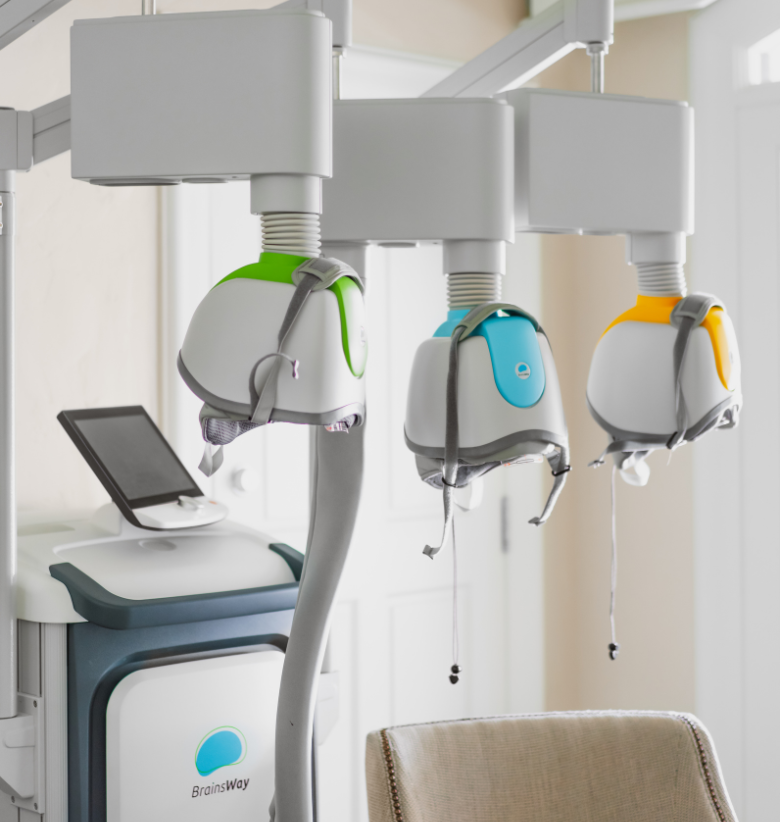
Deep Transcranial Magnetic Stimulation (dTMS)
Deep transcranial magnetic stimulation (dTMS) is a cutting-edge therapy offering new hope for individuals struggling with treatment-resistant mental health conditions. At Monarch Mental Health Group (MMHG), we leverage this innovative technology to deliver personalised treatment plans for obsessive-compulsive disorder (OCD) and Major Depressive Disorder (MDD).
What is Deep Transcranial Magnetic Stimulation?
Deep transcranial magnetic stimulation is a specialised form of transcranial magnetic stimulation (TMS), also called intermittent theta burst stimulation. It utilises a unique coil design that delivers electromagnetic pulses deeper and more broadly within the brain compared to traditional TMS. This deeper reach into the prefrontal cortex allows dTMS to target specific brain regions more effectively, potentially leading to significant improvements in symptoms.
What Conditions Can dTMS Therapy Treat?
Deep transcranial magnetic stimulation has shown particular promise in treating:
Other ConditionsOngoing research explores the potential benefits of dTMS and intermittent theta burst stimulation for treating other conditions such as anxiety disorders, chronic pain, and tinnitus.
Obsessive-Compulsive Disorder (OCD)Research shows dTMS therapy can significantly reduce OCD symptoms for many patients, especially when targeting the medial prefrontal cortex, a brain region involved in regulating behaviour.
Major Depressive Disorder (MDD)Studies show dTMS therapy can be an effective treatment option for depression, particularly when traditional methods haven’t yielded satisfactory results or patients are resistant to medication.
Benefits of Repetitive Transcranial Magnetic Stimulation Treatment
- Non-invasive and painless
- Unlike surgery or deep brain stimulation, repetitive transcranial magnetic stimulation is a non-invasive procedure that doesn’t require anesthesia or hospitalisation. The brain stimulation process is generally well-tolerated, with minimal side effects.
- Targeted treatment
- Repetitive transcranial magnetic stimulation can specifically target brain regions implicated in the symptoms, offering a more focused approach than medications that affect the entire brain.
- Fewer side effects
- Compared to medications, rTMS has a lower risk of side effects, making it a suitable option for individuals who cannot tolerate medications or experience significant side effects.
- Long-lasting effects
- While results may vary, some patients experience sustained improvement in anxiety and depression symptoms even after treatment ends.
- Can be used with other mental health therapiesr
- TMS brain stimulation therapies can be combined with psychotherapy and medication management for a more comprehensive treatment approach.